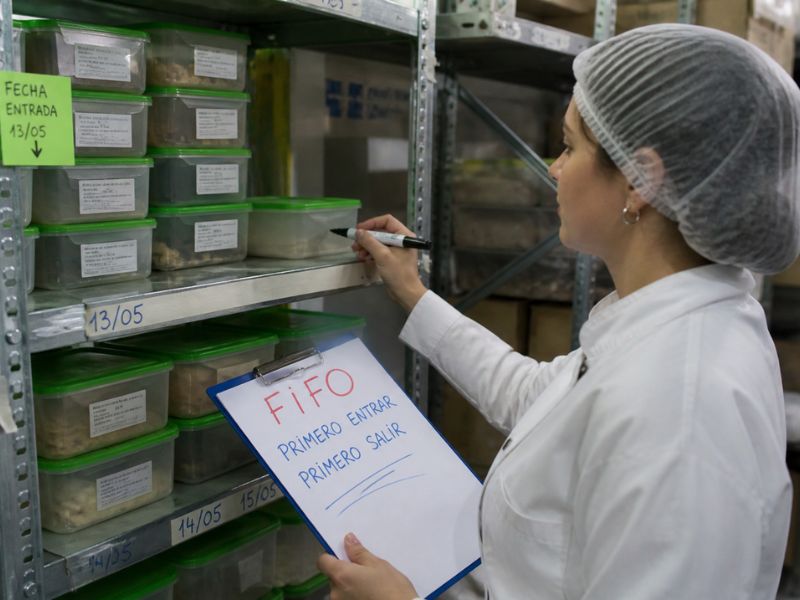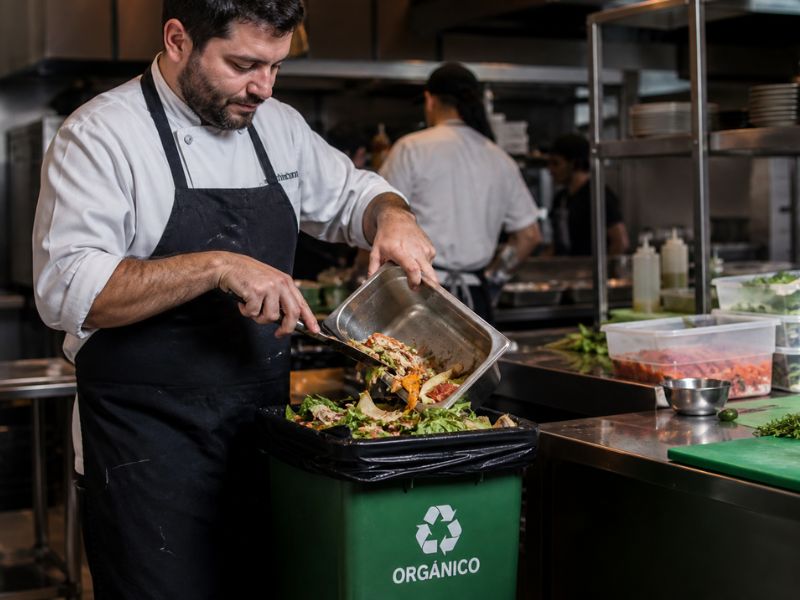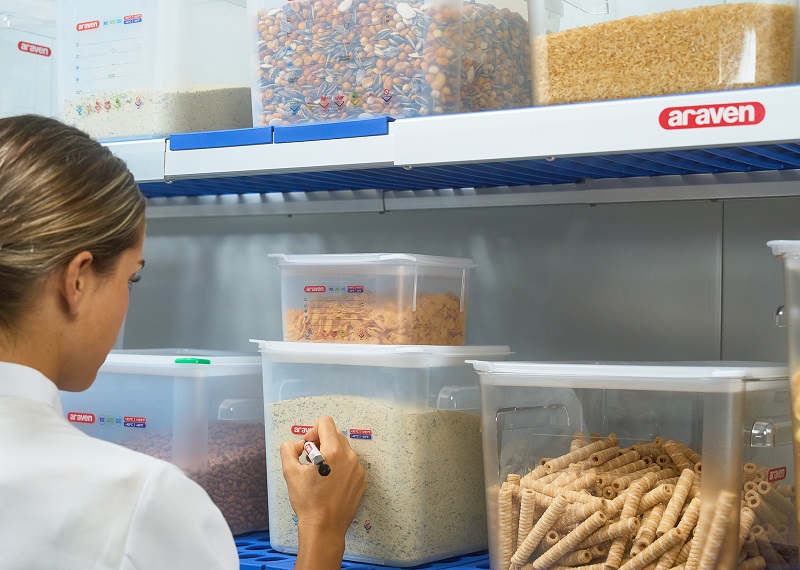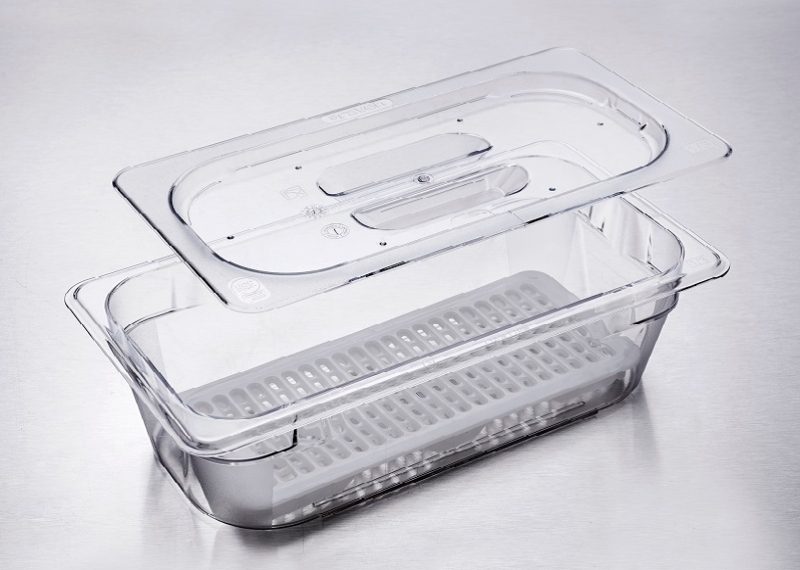
A good food storage container is an essential item in a kitchen, but its lid is just as important. All food must be lidded to avoid the risk of cross contamination during its preservation. Also, the organoleptic properties (colour, taste, texture and aroma) of high quality foods can be spoilt if not kept in the right kind of container with the correct lid.
Because meat and fish, vegetables or prepared food do not need the same degree of air tightness Araven has a wide range of different types of lids. In today’s post we will explain when to choose an airtight lid or simply a contact lid to cover and protect food.
AIRTIGHT LIDS
The chief characteristic of airtight lids is that they prevent air from entering the container and thus reduce food oxidation or prevent odours from being absorbed or released which could affect the quality of the food. Araven’s bi-injection lids with a rubber seal are reusable and provide a totally airtight seal for Gastronorm containers, ensuring maximum protection of food.
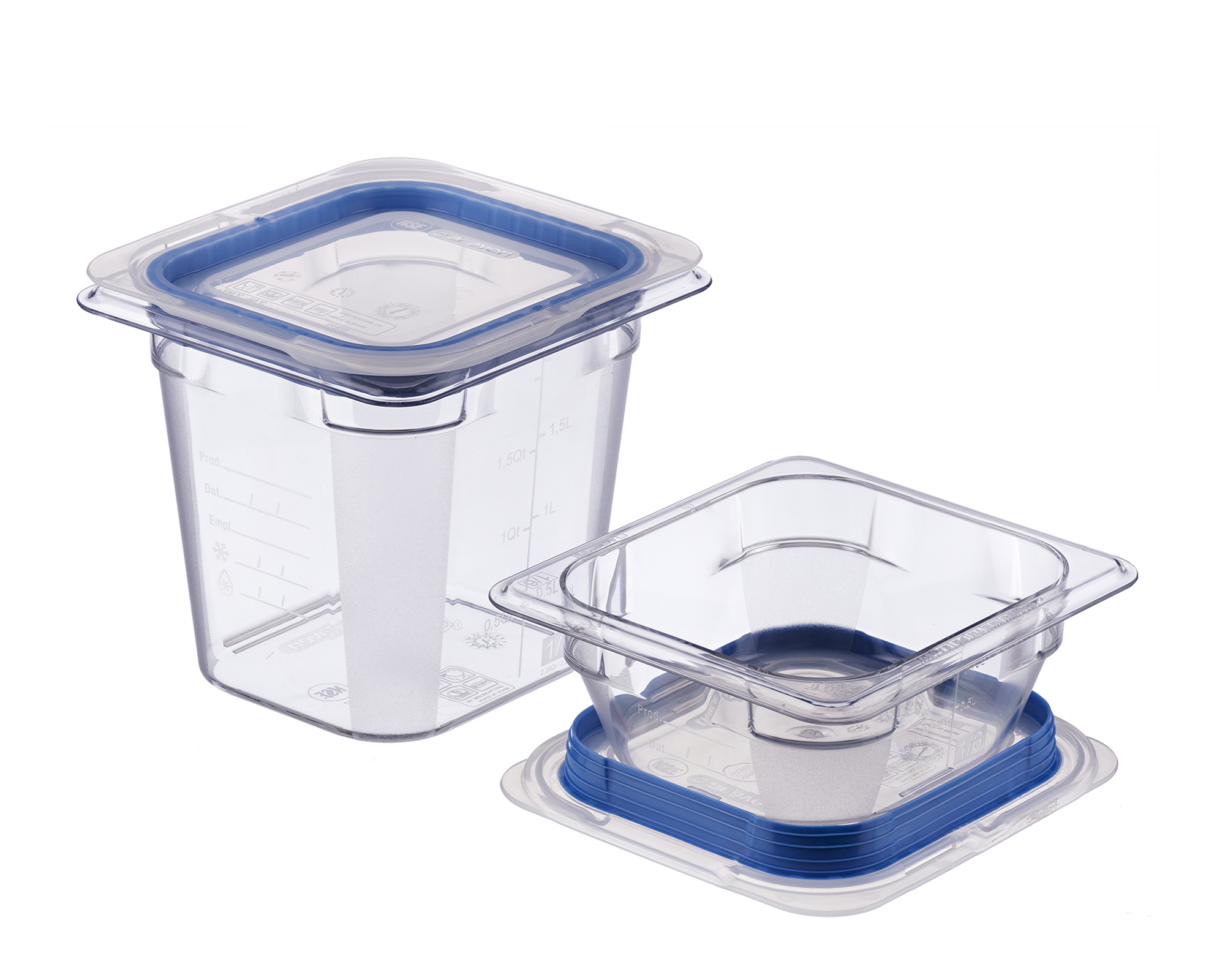
In addition, airtight lids prevent liquid contents from spilling during storage or transport.
This helps to:
- Prolong the useful life of food and avoid food wastage due to spoilage.
- Guarantee the quality of food preparations and results by preserving the organoleptic properties of foodstuffs (colour, taste, texture …)
- Guarantee food hygiene and safety and the health of consumers, in compliance with food regulations.
Airtight lids are perfect for preserving protein-rich foods (meat and fish) as well as prepared foods.
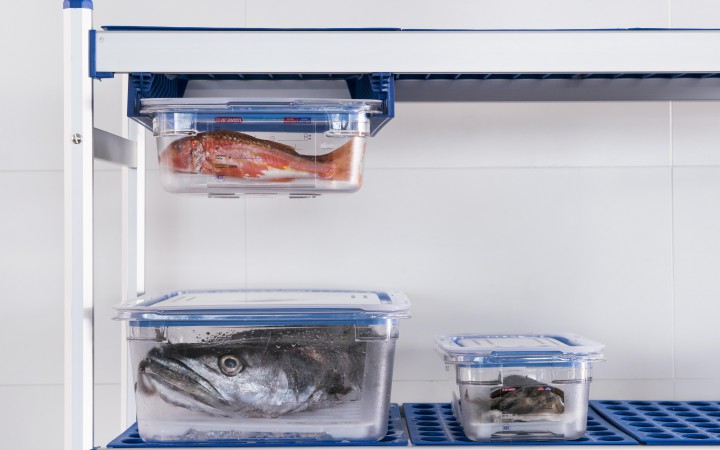
GN CONTACT LID
Contact lids or non-airtight lids avoid moisture condensation on the container’s walls, as can occur, for example, when storing vegetables.
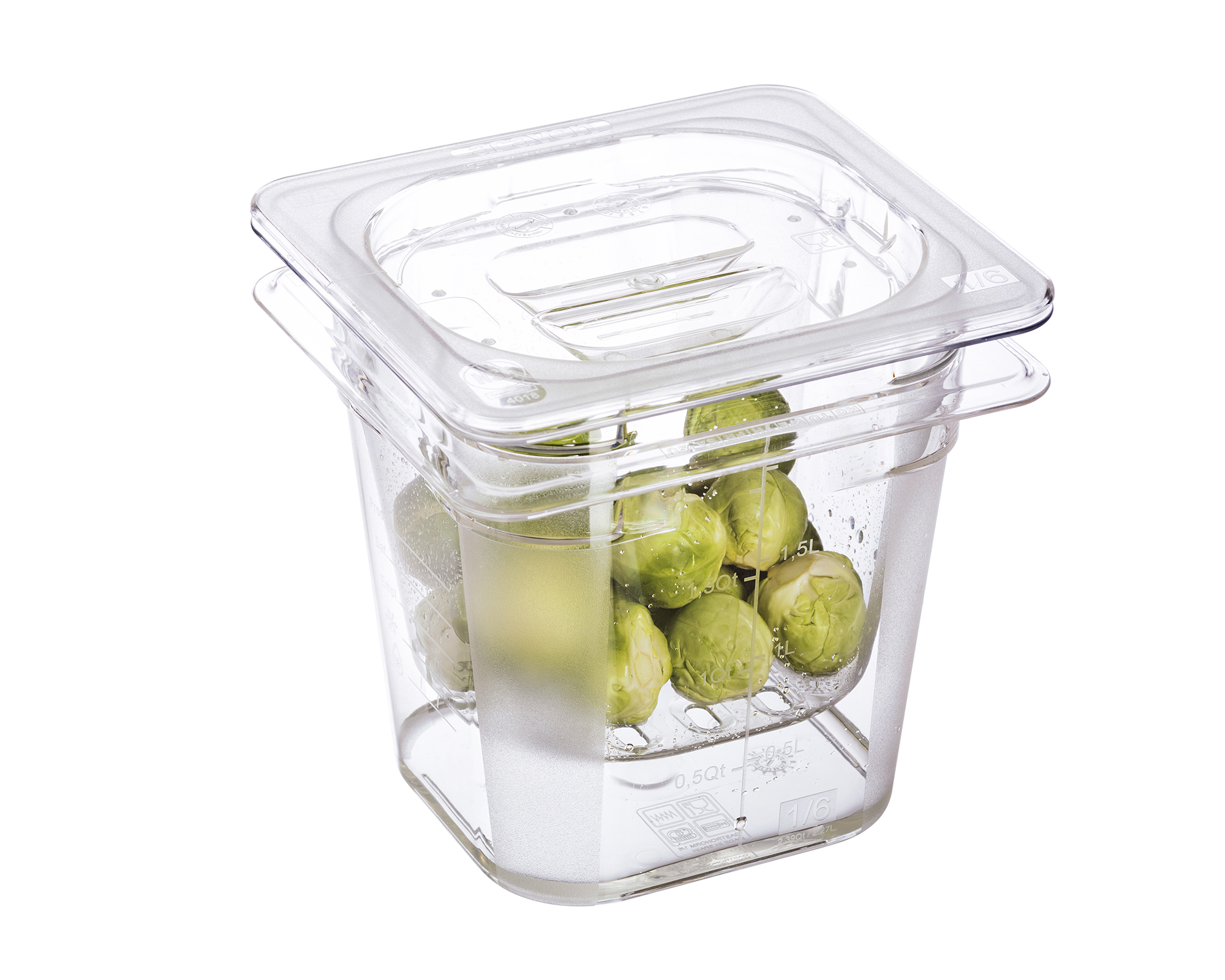
Fresh fruits and vegetables have a high water content. This characteristic is crucial for their correct preservation as, over time, they lose moisture which can condense on the walls and bottom of the food container, encouraging the growth of mould and speeding up the process of rotting in vegetables.
Araven’s universal contact lids can be used to cover most GastroNorm food pans in different materials (stainless steel, plastic or porcelain). With a handle for easy opening, and a sturdy, nestable design in polycarbonate allowing stacking of food pans.

GASTRONORM LIDS WITH A NOTCH
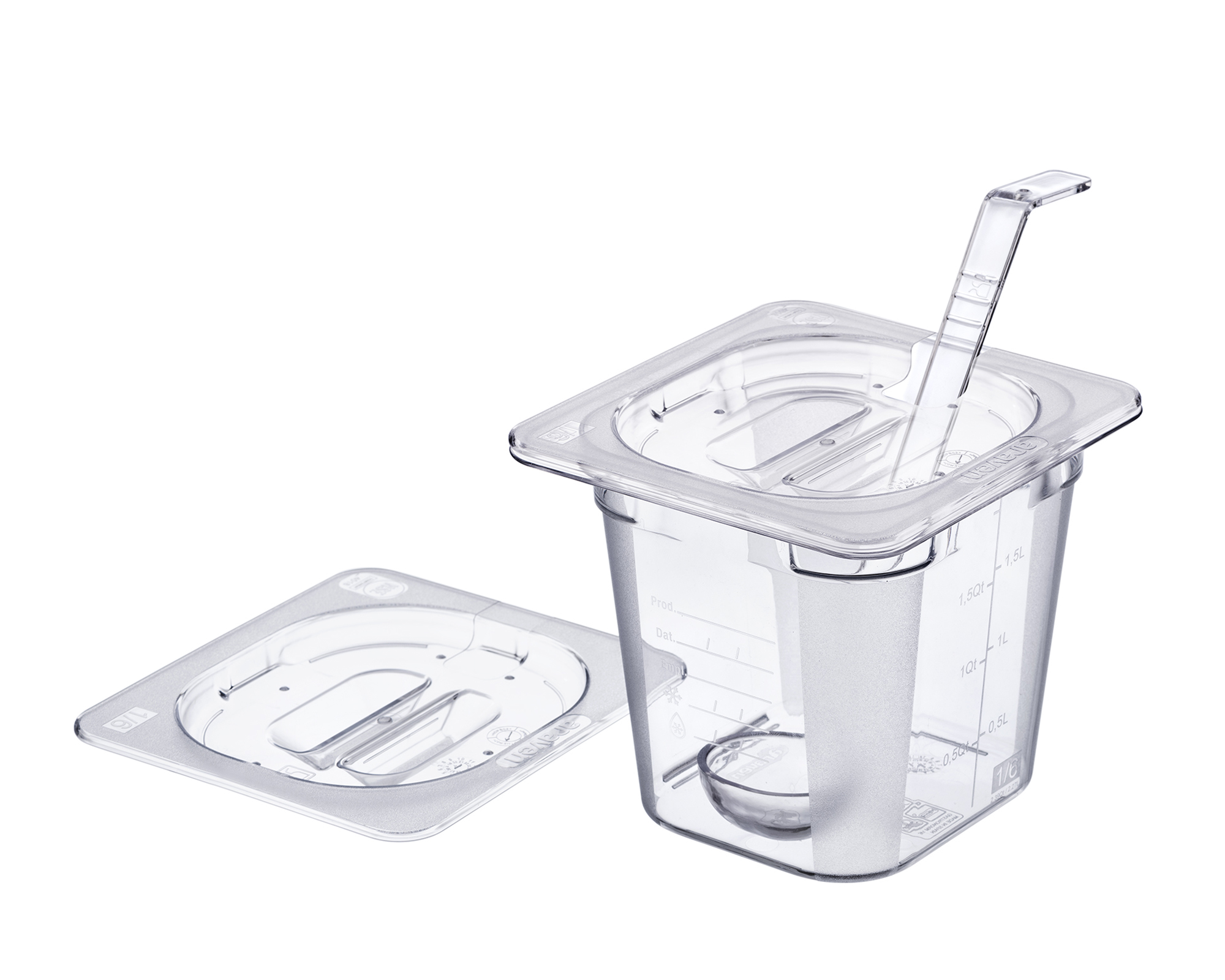
Lids with a notch are perfect for protecting food from external contamination until it is served in food display areas (cabinets, buffet areas, food warmers…). The serving spoon or utensil rests in the notch while the lid remains on the food pan. Equipped with a handle for easy opening.
Available in Gastronorm sizes from GN 1/9 to GN 2/4.
SILICONE LIDS
Araven’s silicone lids are totally airtight and help keep food fresh for longer. Less microbial load, less oxidation so that the texture, aroma and taste of food is preserved for longer.
Thanks to the flexibility of the silicone material, these lids are universal and can be used with all types of Gastronorm food pans of the same size regardless of the material in which they are made.
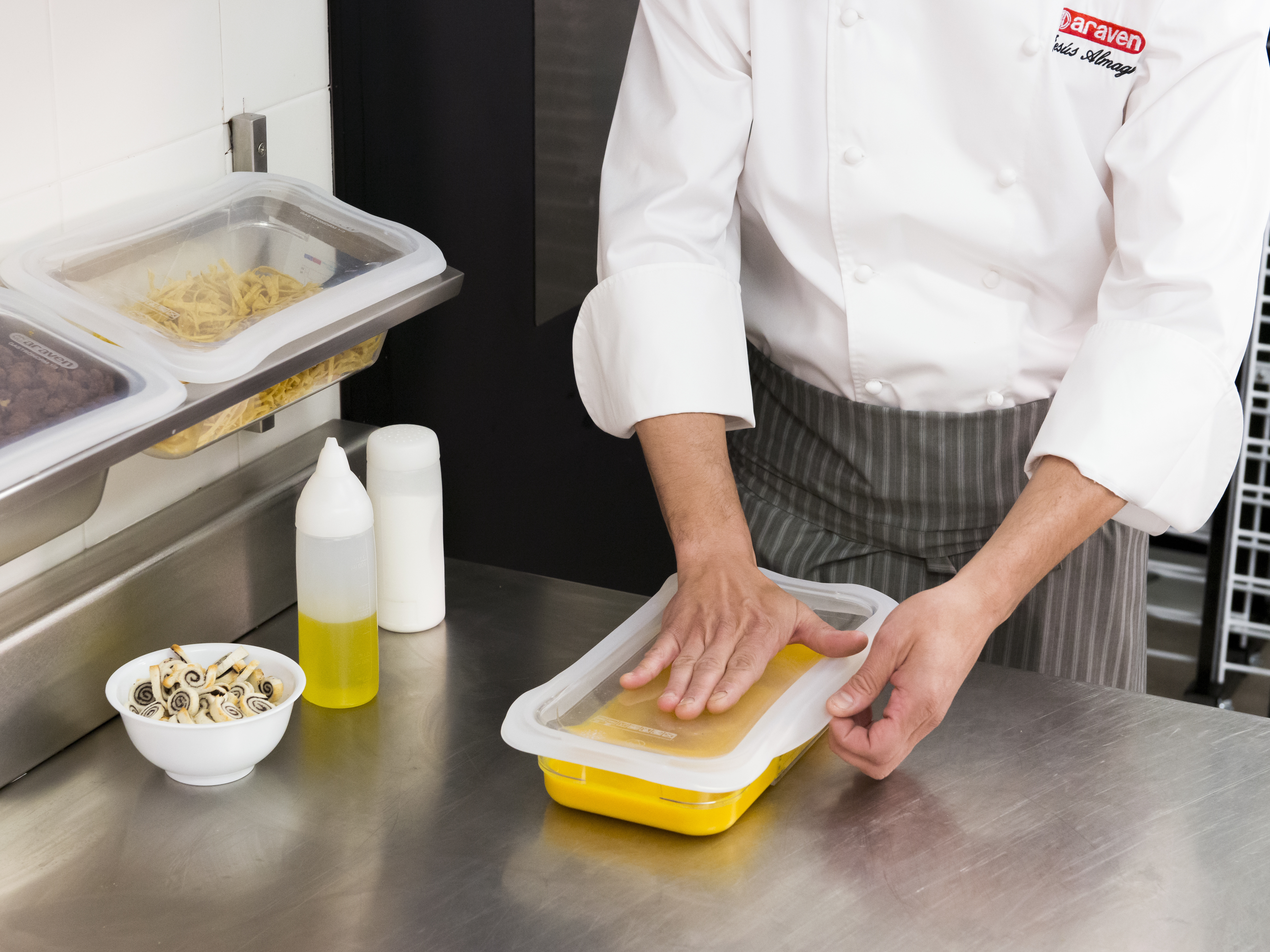
The range comprises the seven most frequently used GastroNorm sizes. They are reusable and a great substitute for plastic film as they avoid generating waste. They are transparent making it easy to identify the food stored inside. They can be used in conventional ovens and microwave ovens, reducing cooking times and increasing energy savings.
They are not recommended for use with stainless steel containers without smooth edges, or food pans with sharp corners or edges.
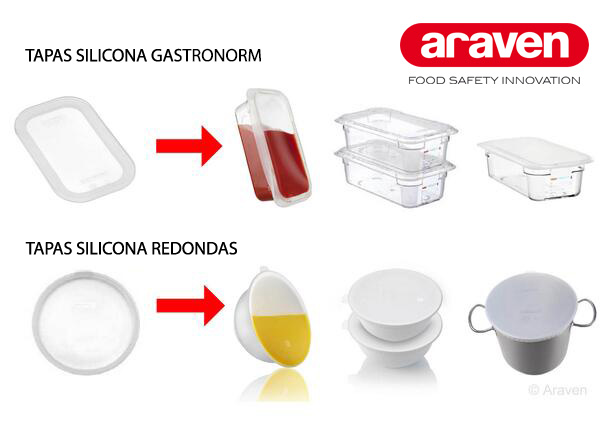
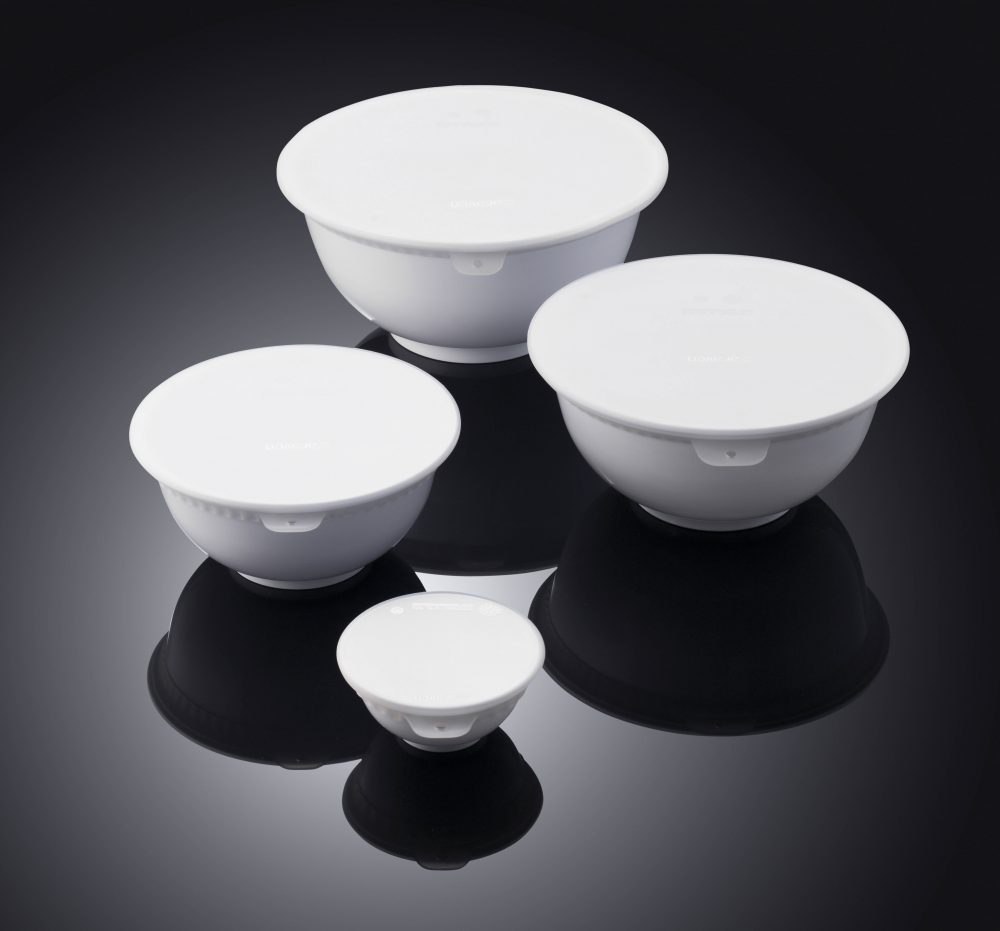
There are also round silicone lids for covering bowls, saucepans, plates, etc., compatible with all types of materials: polypropylene, polycarbonate, steel, porcelain, or glass. Available in various diameters: 133 mm, 239 mm, 286 mm and 332.5 mm.
We hope that this guide will help you choose the lid with the best features for managing food at your restaurant or hotel establishment.