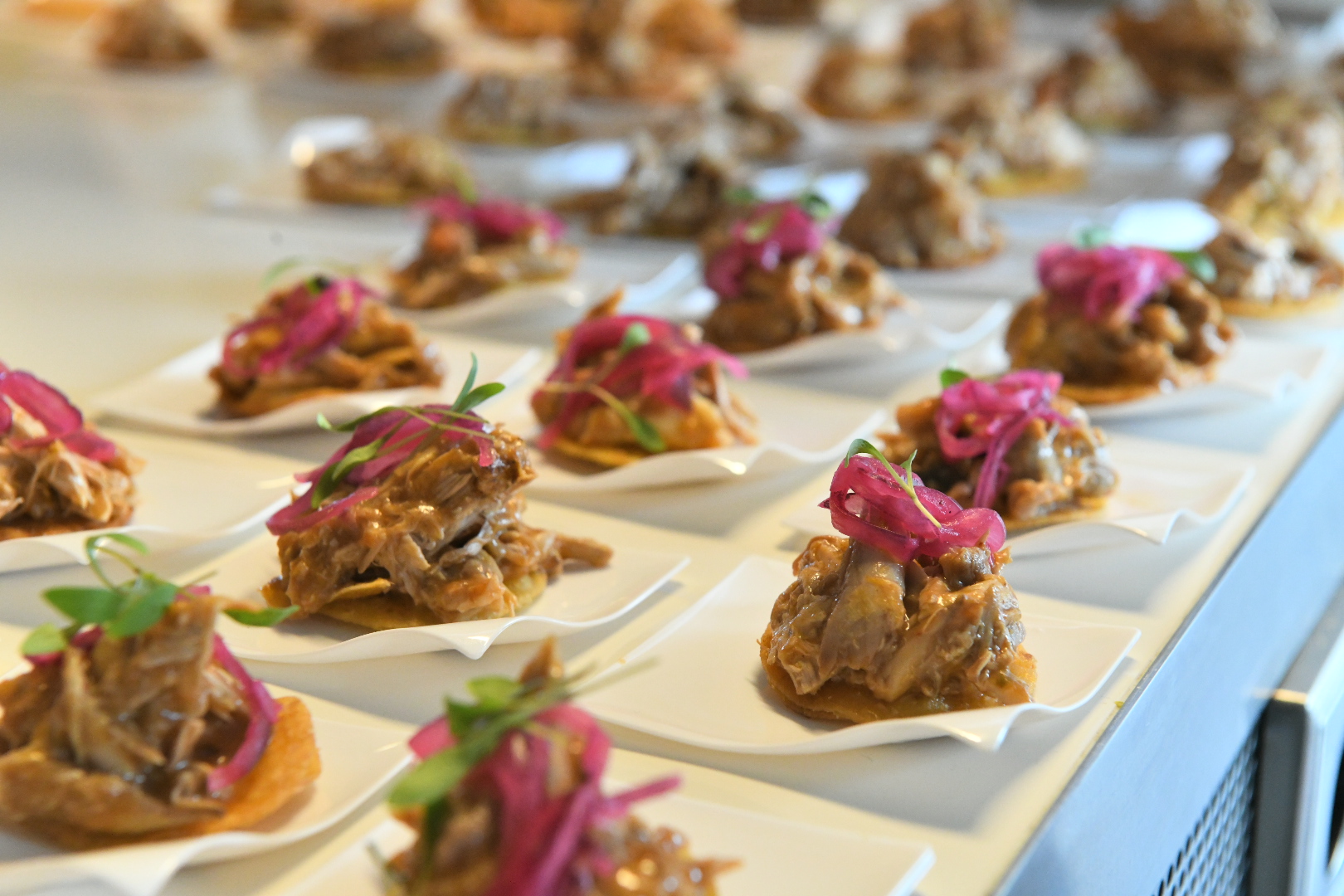
With the arrival of summer and the high temperatures, we all prefer to eat lighter meals from fresh recipes. If you want your customers to enjoy a holiday without food risks, remember to apply the following specific hygienic measures for the preparation of cold processed foods in your restaurant.
SPECIFIC HYGIENE MEASURES IN THE PREPARATION
AND HANDLING OF COLD PROCESSED FOODS
– It is recommended that the specific area for handling these types of products is a cold store in order to minimise the handling of foods in cooking areas. When the kitchen is small, temporary separation may be used: do not perform operations with raw and processed foods at the same time, and clean and disinfect the area after each task.

– The preparation of foods whose ingredients contain egg and that are not going to be later subject to a thermal
treatment that reaches a minimum of 75 ºC (for example: mayonnaise, cocktail sauce, mousse, meringue,
tiramisu and other similar products) must be carried out with liquid or dried, pasteurised or sterilised industrial
egg products, and must not be preserved for more than 24 hours after preparation, not even in refrigeration.

-If the cold processed foods contain products subject to thermal treatment, such as rice or pasta for salads,
seafood, boiled vegetables, etc., these pre-processed foods must be cooled as fast as possible prior
to assembly.

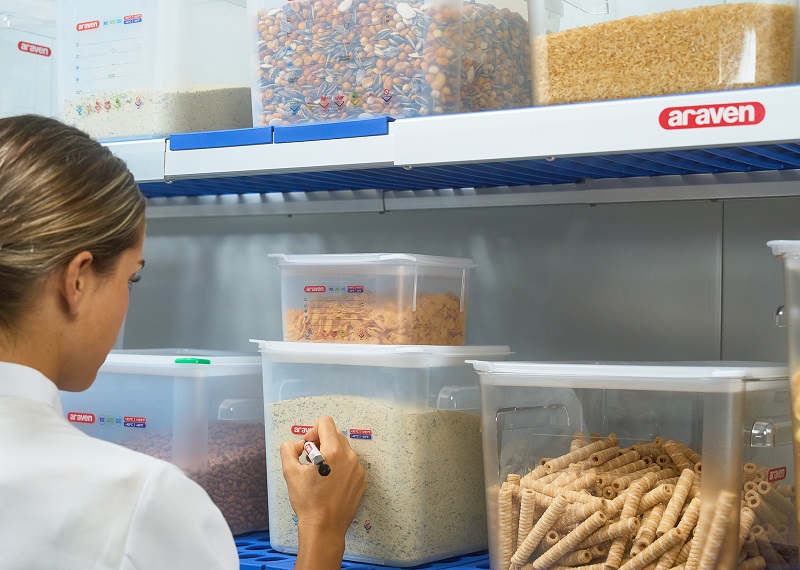
-Once prepared, the cold processed foods must be stored in containers with a lid and must be kept refrigerated
at a maximum of 3 ºC until service.

We hope that these basic tips have been of interest to you. Remember that at Araven, our goal is to develop the business of our customers and the sector by providing efficiency in the kitchen and ensuring the highest quality of food in all its processes. For more information you can visit our product catalog on the web and request advice if necessary.