When it comes to food, no compromise is possible. This is especially true regarding how to preserve it properly. Food preservation is regulated by law to avoid serious issues in the food industry. Indeed, improper handling can lead to health issues for both customers and workers.
In this article, we will explore various food preservation methods and techniques.
Factors that Spoil Food
There is no doubt that food preservation is essential. Several biological, chemical, and physical factors can alter and damage the quality of food. Here are some of the primary culprits:
- Sunlight: It can lead to the rancidity of fats and the loss of vitamins.
- Oxygen: Oxygen exposure can cause similar changes as sunlight. For instance, extra virgin olive oil should be stored in a closed container in a pantry to avoid direct contact with the outside air.
- Humidity: Moisture can promote the growth of bacteria and mold in food.
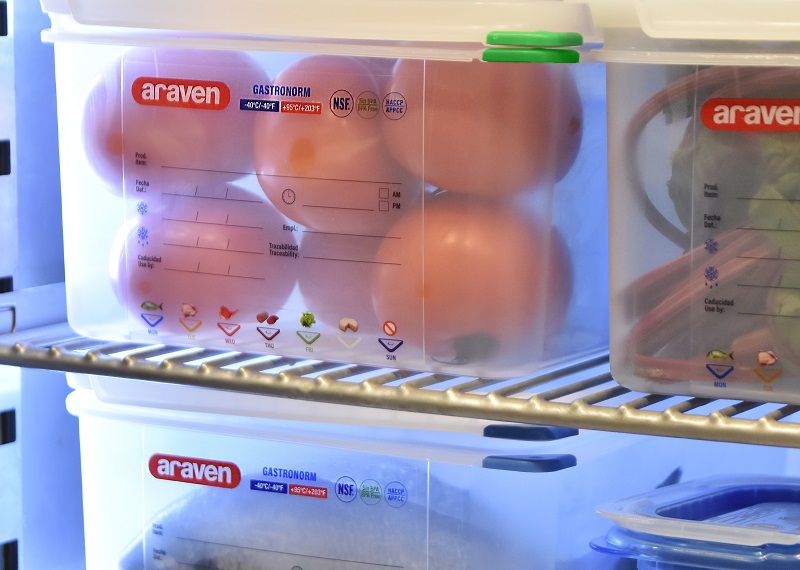
- High temperature: It can destroy, deactivate, or rapidly reproduce germs. Maintaining the correct temperature is crucial for preserving foods like eggs and preventing salmonella.
- Acidity: The level of acidity can lead to the loss of certain vitamins in food.
- Enzymes: They can cause discoloration and oxidation in specific foods. Peeled potatoes and apples are a common example.
Techniques and Methods for Proper Food Preservation
Both techniques and methods for preserving food aim to prevent food spoilage and extend its life duration. Here are some common approaches to properly preserving food:
Low-Temperature Preservation
Cold storage has been used as a food preservation method since ancient times. There are three main ways to use cold storage:
- Refrigeration: This method maintains food at temperatures between 2–8 degrees Celsius (36–46 degrees Fahrenheit). It is commonly used for preserving fresh meats, fish, fruits, and vegetables. In a general way, it is a great option for fresh products.
- Freezing: It is one of the most effective food preservation techniques. It allows for long-term storage of various foods without significant nutrient loss. However, the texture and flavor may vary upon thawing. Freezer temperatures typically range from -18 to -24 degrees Celsius (-0.4 to -11.2 degrees Fahrenheit).
- Ultra-Rapid Freezing: This technique involves exposing foods to temperatures between -35 and -150 degrees Celsius (-31 to -238 degrees Fahrenheit) for a short period.
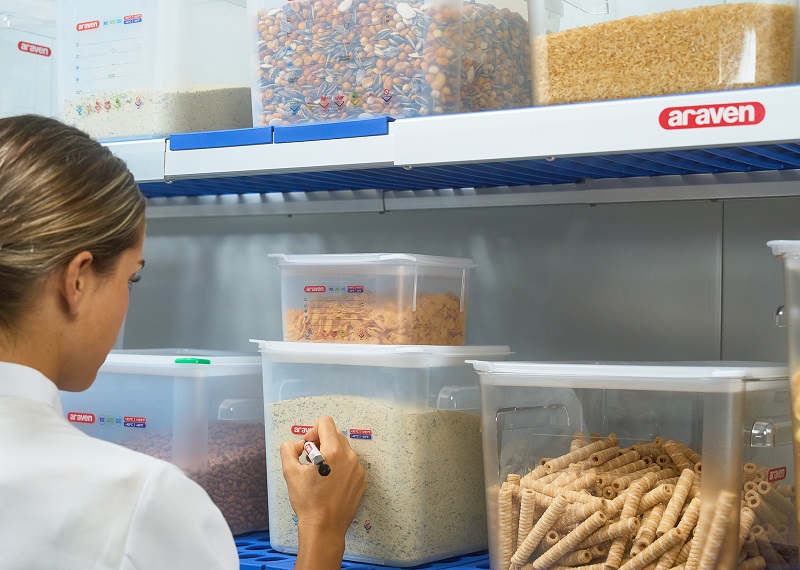
It’s important to note that maintaining the cold chain, especially during warmer months, is crucial. Professional equipment like Gastronorm airtight containers and insulated food transport can help ensure food safety.
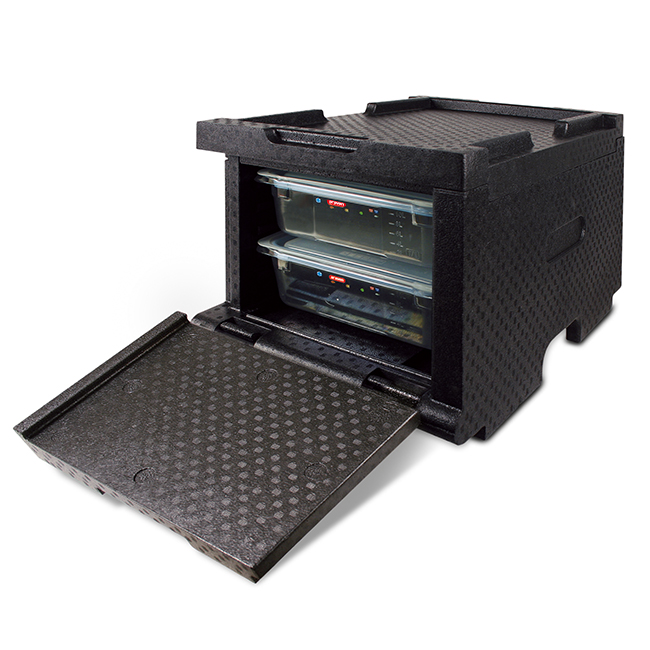
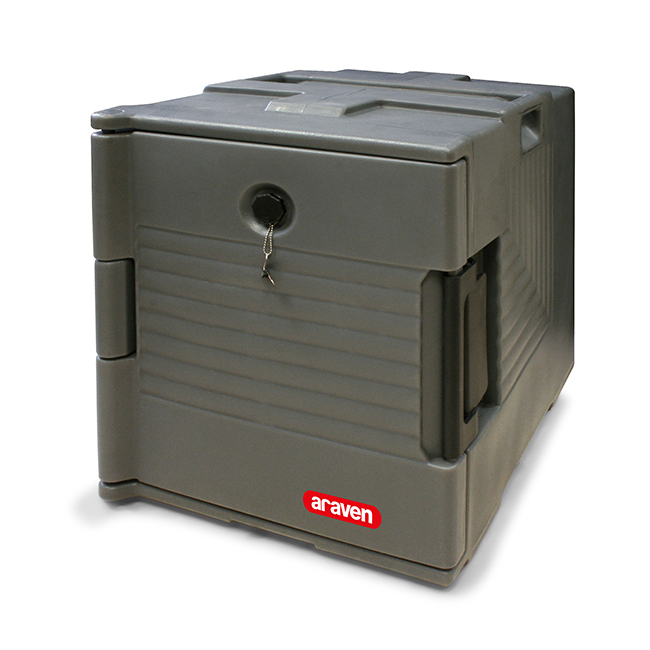
The storage duration differs between freezing/ultra-rapid freezing and refrigeration. While frozen foods can last for months or even a year, refrigerated products typically last only a few days.
Thermal processing
In the realm of heat-based preservation, we find these methods:
- Pasteurization: Named after the French chemist Louis Pasteur, pasteurization is widely used to preserve milk. It involves heating the liquid to a high temperature, just below boiling, for a few seconds to eliminate bacteria.
- Sterilization: This method requires heating the food for an extended period, usually around 20 minutes, at temperatures of 120 degrees Celsius (248 degrees Fahrenheit) or higher.
- Ultra High-Temperature Processing (UHT): Also known as ultra-pasteurization, this method involves rapidly heating food to temperatures of around 140 degrees Celsius (284 degrees Fahrenheit) for just a couple of seconds.
It’s important to note that while pasteurization effectively preserves nutrients, it doesn’t eliminate all microorganisms. Therefore, pasteurized products like milk should still be stored at cold temperatures during transportation, storage, and consumption.
Food Additives
Food additives are chemical substances that delay or prevent bacterial growth and other deterioration processes. These additives can be natural, such as salt, sugar, vinegar, oil, or alcohol, as well as synthetic.
Pickling, salting, syrup but also nitrates, sulfates and Benzoic acids can be used as additives to preserve food longer.
Some of these preservation techniques have been used for millennia and can extend the shelf life of various foods for up to two years. However, it’s essential to be aware that these methods may alter the taste of the preserved foods.
Dehydration
Here are the main dehydration techniques for food:
- Drying: It involves removing water from food through heat or ventilation. This technique is used for fruits like plums to make prunes, apricots to make dried apricots, as well as for preserving fish and meat, like in the case of serrano ham.
- Lyophilization: Food is frozen and sublimated to remove its water content. Lyophilization is high cost, so it is profitable only on a large scale.
- Concentration: This food preservation method eliminates only one part of the water from the aliments.
Irradiation
Irradiation is a food preservation method that exposes certain foods to ionizing radiation. This technique can be used only on a few types of food, like fruits, vegetables, seafood, and some meats.
Nanotechnology
Nanotechnology is the last food preservation kind we present here. It encompasses various techniques from biotechnology, engineering, chemistry, and physics. It involves using safe nanomaterials for food in packaging to preserve nutritional value and extend the shelf life of food products.
The Importance of Proper Food Preservation
As mentioned earlier, proper food preservation is essential to ensure food safety and quality. Food deteriorates over time, leading to the growth of bacteria and other harmful microorganisms that can pose health risks to consumers.
Therefore, we recommend you use professional equipment for food preservation in your restaurant or bar. At Araven, we offer a wide range of products designed to help preserve the quality of your restaurant’s food. Feel free to contact us for more information.