What is takeaway? And what about delivery? These two terms are common in the hospitality industry, yet not everyone fully understands what they entail. This article clears up any doubts and explores why it’s beneficial to establish these services in a restaurant or bar.
What is Takeaway?
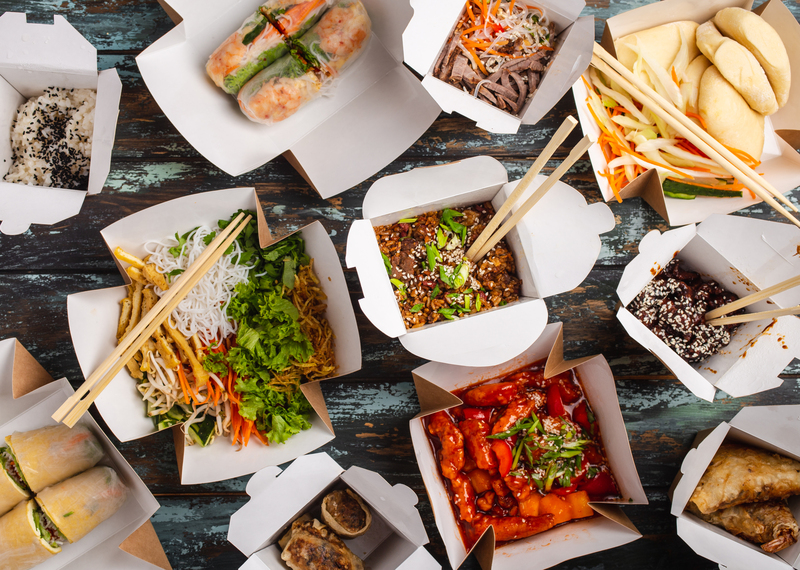
Takeaway refers to food prepared by a restaurant or bar for customers to consume outside the establishment, whether at home, on the go, or even on the street. Originally associated with fast food, takeaway service is now embraced by a wide variety of restaurants.
A restaurant or bar’s takeaway service should provide high-quality, easily transportable food that can be enjoyed anywhere.
Now, you know how take away works, you may consider adding a takeaway option to your hospitality business. If it is the case, it is essential to equip your restaurant properly. At Araven, we specialize in the hospitality sector, offering everything from catering dishes to glasses and tumblers. Check out our catalog!
Origins of Takeaway
Although takeaway is often associated with burger or pizza chains, this way of serving the public dates back centuries. In Ancient Greece and Rome, street food was already popular, and during the Middle Ages, food vendors sold food to go. However, the takeaway model, as we know it today, emerged in the late 19th to early 20th century.
Differences between takeaway and delivery
So, how do takeaway and delivery differ? Takeaway and delivery are not the same. Takeaway involves the customer visiting the establishment to pick up their food, the delivery service involves home delivery. It means that the customer doesn’t have to visit the restaurant; instead, the restaurant brings the food directly to them.
The main differences between takeaway and delivery are:
- Order Delivery: Delivery is received at home, while takeaway is picked up at the restaurant.
- Timing: Delivery must be fast to ensure the food arrives in perfect condition (hot and fresh, for instance). With takeaway, orders are prepared immediately on-site, although the restaurant must also manage the kitchen efficiently for quick service. Kitchen efficiency and mise en place are crucial. At Araven, we offer products that help improve preparation times, like our new FIFO FAST sauce dispenser.
- Management: Lastly, the management requirements differ. Takeaway requires a physical location where customers can pick up their food. Delivery requires a kitchen to cook the meals, and also needs a means of transport to deliver them to the customer’s location.
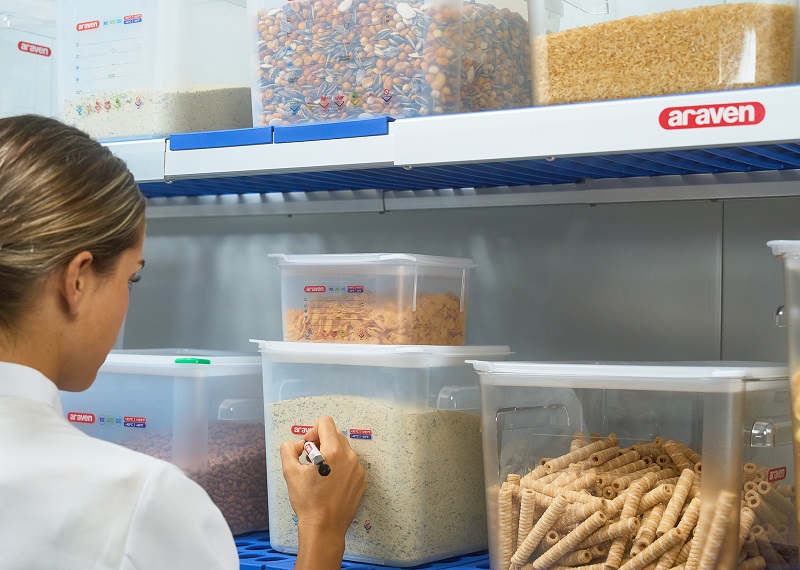
In both cases, a well-equipped and organized kitchen is essential for efficient service. Araven offers a wide range of food containers, and other essential items like catering racks and trolleys to improve your kitchen management.
How does takeaway benefit my business?
Many professionals have started to implement a takeaway service in their hospitality business since it offers many advantages. Here are the main benefits:
- Increased Revenue: The takeaway market expands quickly. Restaurants with takeaway services reach more customers, leading to higher income.
- Versatility: Any hospitality business can incorporate takeaway, from luxury restaurants to neighborhood bars, regardless of the location’s size.
- Simple Management: Unlike delivery, no transport or additional licenses are required to operate a takeaway service.
- Consistent Quality: With home delivery, there’s a risk that food quality will be perceived as different between in-house and delivered meals. With takeaway, quality remains the same.
- Time and Cost Savings: Since customers do pick up their orders directly from the restaurant, staff don’t need to travel. It leads to saving time and operational costs.
- Added Value for The Company: Offering takeaway is an extra service that adds value to your establishment.
Essentials for takeaway
What do you need to launch a takeaway business? Here are the basics to start:
- Facilities: The location must meet minimum standards and comply with current regulations on accessibility, smoke exhaust, fire safety, acoustics, etc.
- Licenses: The establishment must meet all relevant requirements, such as operating and activity permits.
- Comfort: Besides appealing decor and furniture, customers should feel comfortable while they wait for their food. An accessible restroom for clients is also required.
- Kitchen Equipment: Finally, a well-equipped kitchen is the heart of any hospitality business, including those offering takeaway. A well-organized kitchen promotes better service quality.
If you need guidance on your kitchen setup, Araven specializes in providing top-quality equipment for the hospitality industry. Contact us, and together, we’ll find the best solutions to support your business.