Poor planning, mistakes in food preservation, or poor purchasing management are some of the reasons why food waste appears in restaurants. Avoiding food waste is one of the major challenges facing the hospitality industry today. In addition to its environmental impact, these losses directly affect business profitability and the perception customers have of the brand.
Here are some tips to help reduce food waste in your restaurant and avoid unnecessary food loss.
What Is Food Waste in Restaurants and Why Does It Affect Profitability?
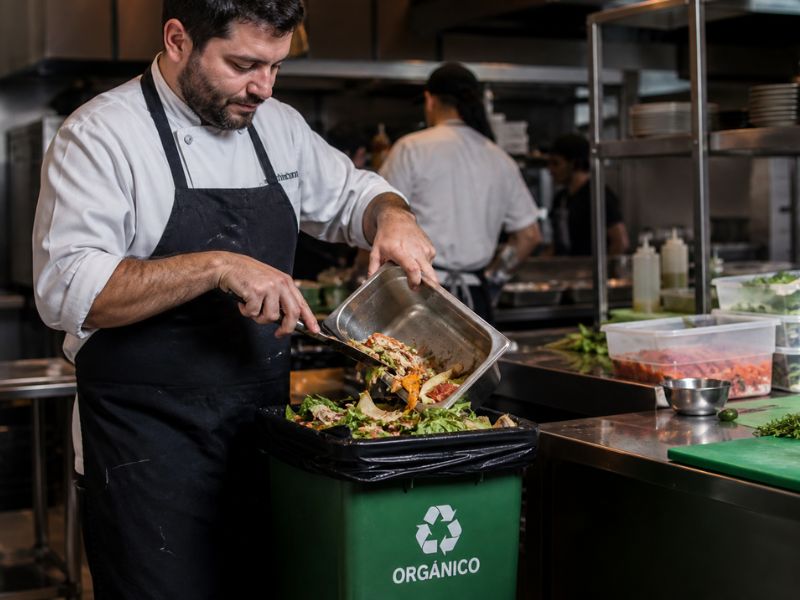
Restaurant food waste refers to all food products in a hospitality business that are discarded before being consumed. This can happen during storage, preparation, or after service.
It is important to note that food waste includes not only expired products, but also unused leftovers and even dishes that return untouched from customers’ tables.
It is essential to understand that most restaurant food waste is preventable. Moreover, it has a direct impact on the profitability of the business. That is why reducing food waste should be a priority for restaurants.
Every wasted food item represents money lost — an investment already made in purchasing, storage, energy, and labor that generates no return. In addition, it reduces the profit margin of each dish, which in turn affects either the final price or the quality of the meals.
Another increasingly important issue is sustainability. Consumers increasingly value restaurants that are committed to environmental protection and waste reduction. Therefore, minimizing waste not only improves business performance but also enhances brand image and positioning against competitors.
Looking for an ally against food waste? At Araven, we can help. All our products for professional kitchens are at the forefront of innovation and sustainability. Discover a full range of versatile, easy-to-use products adapted to current regulations. Learn how to improve efficiency, food preservation, and responsible restaurant management.
Food Waste Law: What Restaurants Need to Keep in Mind
Reducing food waste in restaurants is not only a matter of ethics or cost savings — it is also about complying with current legislation. In Spain, for example, Law 1/2025 of April 1 on the prevention of food loss and waste establishes a key role for the hospitality sector.
This regulation imposes clear obligations on restaurants, bars, and catering services to curb food waste:
Customers’ Right to Take Leftovers Home
Years ago, it would have been unusual for customers to ask to take home leftovers from their meal. Today, it is a widespread practice — and a legal right. Consumers may take leftovers home at no extra cost. The only exception applies to all-you-can-eat buffets, where food availability is unlimited.
Obligation to Inform Customers
With the same goal of reducing food waste, restaurants are required to inform diners that they may take leftovers home.
Use of Suitable Packaging
This food waste law not only addresses waste reduction in restaurants but also proper food preservation. Leftovers must be provided in food-safe packaging that is reusable or easily recyclable. If plastic containers are used, restaurants are required to charge for them according to current single-use plastics regulations.
Recommended Best Practices
In addition to mandatory measures, the law also includes voluntary best practices for the hospitality industry, such as promoting flexible menu options (for example, half portions), staff training, sustainable purchasing criteria, and encouraging food donations for social purposes.
This food waste regulation is essential not only because it reinforces sustainability commitments, but also because it represents an opportunity to improve restaurant operations. Having a food waste reduction plan is no longer just an economic issue, but also a social and environmental responsibility.
How to Measure Waste and Create a Plan to Reduce It
Not sure how to reduce food waste in your business? Here is how to monitor waste and create a food waste reduction plan:
The first step in reducing waste in a restaurant is identifying where losses occur. To do this, it is essential to constantly monitor stock levels and keep records of wasted products, quantities, and the reasons behind the waste.
Did you know that restaurants often use waste control sheets? These include information such as products that expire before use, ingredients damaged due to poor storage, leftovers from the kitchen or dining area, and dishes with low turnover.
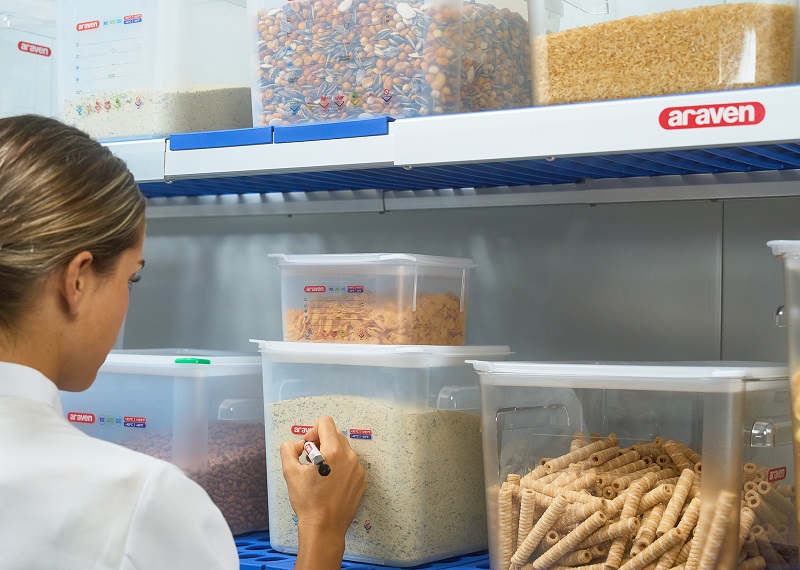
Another important aspect is having storage products that not only support food hygiene and safety but also food traceability. Araven’s Gastronorm airtight containers are designed for professional kitchens and cold rooms, complying with current regulations and helping reduce restaurant waste. These containers feature permanent traceability labels that guarantee the quality of preparations and final results while preserving the organoleptic properties of food.
Once the main causes of waste have been identified, the restaurant should design a food waste prevention protocol tailored to its business. This plan should include measures such as adjusting portions to orders, optimizing stock management, and improving purchasing planning.
It is also essential to involve the entire team in the process — both kitchen and front-of-house staff. Training and raising awareness among employees is a crucial task.
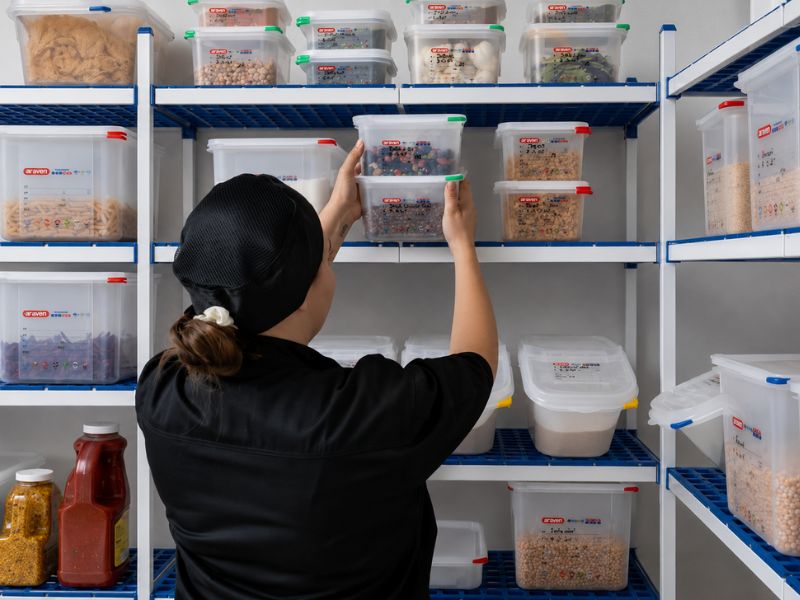
Storage, Preservation, and Food Rotation to Prevent Losses
It is estimated that restaurants waste on average between 4% and 10% of the food they purchase. Therefore, when considering food preservation and waste reduction, proper storage and food rotation systems are essential to avoid losses.
As you know, storage plays a fundamental role in preserving food and preventing deterioration before use. In fact, a large portion of restaurant waste occurs at this stage due to poor inventory management or incorrect food storage (temperature failures, unsuitable preservation methods, etc.).
For this reason, the following measures are recommended:
- Monitor factors such as temperature, humidity, and expiration dates during storage.
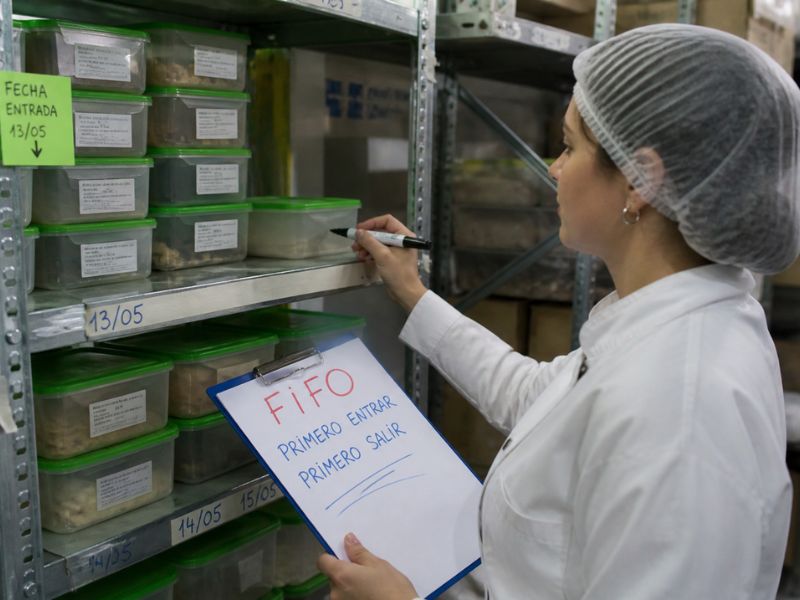
- Implement a FIFO (First In, First Out) system to use older stock first and minimize expired products.
- Label food correctly.
- Separate fresh, dry, and frozen products, as well as prepared in-house dishes.
- Use suitable refrigeration equipment and carry out regular maintenance and monitoring.
Reducing waste in a restaurant is not just an economic issue — it is essential for your business’s sustainability, operational efficiency, and food safety.