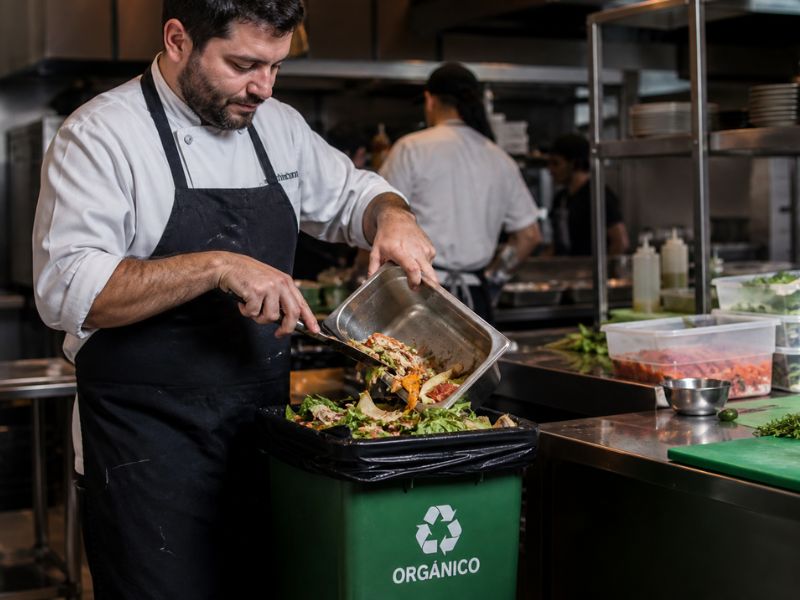
Cost savings and continuous improvement in restaurants is something that can be applied to all aspects of management, including food preservation. Waste and the amount of food that is thrown away due to poor provisioning and kitchen management not only results in problems of sustainability, but also represents higher costs for your business.
To combat food waste, good planning and organisation of food purchases and choosing the right food storage containers will help reduce waste and, in turn, improve business profitability associated with provisioning raw materials and ingredients.
Good storage containers are a must-have in any kitchen
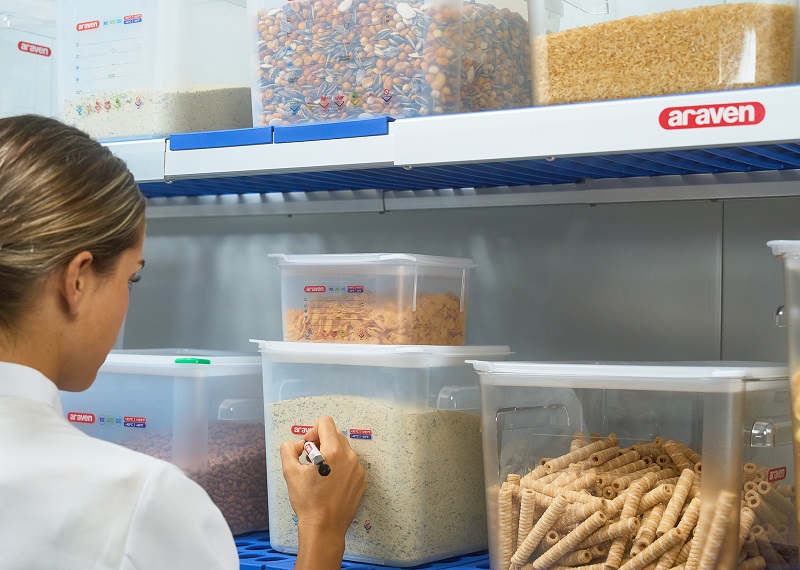
Thanks to their airtight seal Araven containers prolong the useful life of food up to 25%* longer than other lidded containers. When you close the container and press on the centre of the lid, part of the air inside the container is expelled.

*Study conducted by the plant origin foods research group of the University of Zaragoza
.
Choosing a good container guarantees good food preservation and as a result:
✅ Longer food preservation times
✅ Prolonged useful life of foodstuffs
✅ Reduced food waste
✅ Avoidance of risks due to food deterioration caused by incorrect preservation
✅ Guaranteed maximum preservation of food with all its organoleptic properties.
When choosing the correct food container for each type of requirement we recommend:
1. Selecting the Araven container in the GastroNorm size that best adapts to the volume of raw food to be preserved. The more food in the container the less oxygen there will be inside.
2. Using airtight lids. This way food does not come into contact with the oxygen outside and is protected from odours and moisture, which means:
- Protection from microorganisms
- Protection from food oxidation
- Protection from changes in colour and texture
- Protection from changes in taste
- It stays fresh longer
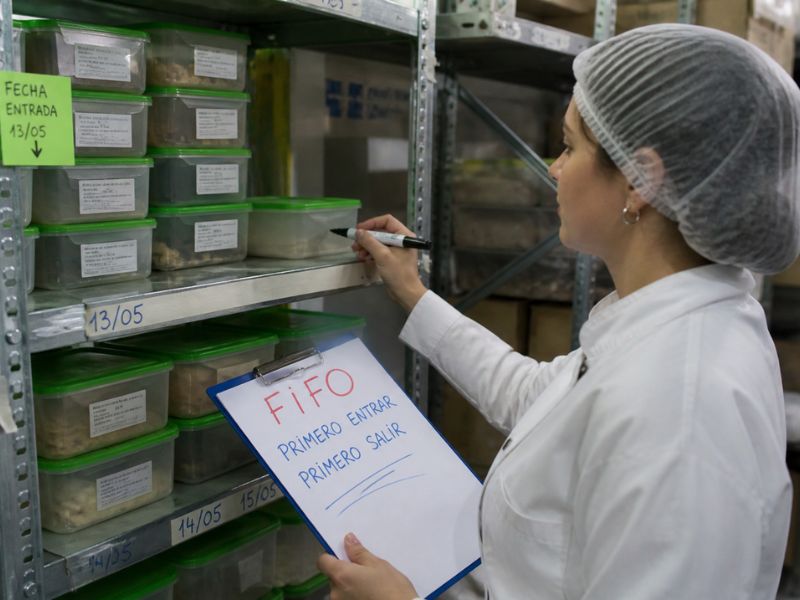
The properties of good food can be spoiled by not storing it in a suitable container. Also, keeping track of packing dates and correctly identifying food is crucial for HACCP systems and for efficient management. The following post is about operating excellence and includes all our recommendations on how to organise food storage rooms. Click here
Drain trays and perforated food pans, the best allies for preserving fresh foods.
Errors in preserving fresh foods that are particularly liable to spoilage are more common that we think. For this reason, Araven focuses on this type of product that, because of its nature, releases liquids and can spoil sooner than you expect if the following recommendations are not taken into account:
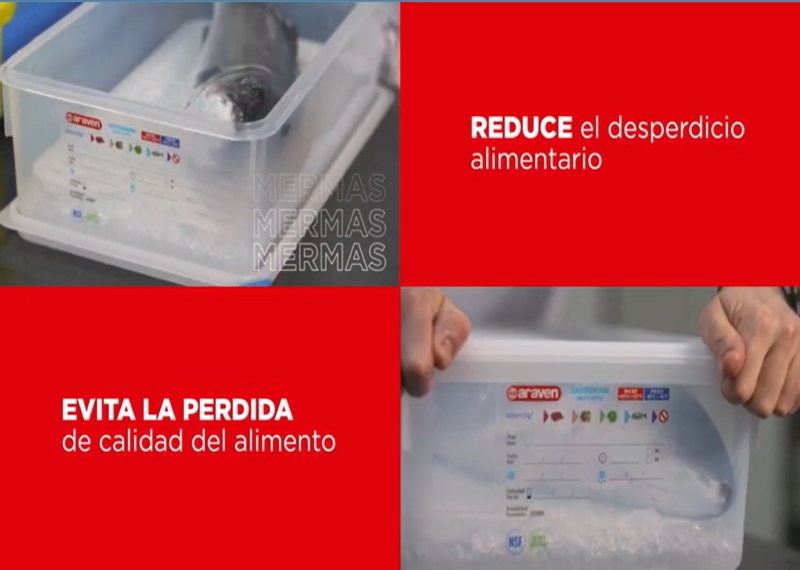
- Use drain trays or perforated food pans. Separating food from its exudate significantly reduces the level of wasted products. The drain tray is placed at the bottom of the container, and it helps drain off the liquid to the bottom of the container, preventing contact between liquids and food and thus reducing the risk of bacterial growth
- The thawing kits (food pan + perforated food pan + protective lid) are designed to help with this process which, if not carried out correctly, can result in hazards.
We are convinced that by implementing good food handling and preserving practices and with correct stock management, together we can prevent unnecessary food waste, which has such a negative impact on the environment and on the profitability of your business. Our blog provides further tips on best practices for food preservation to prevent food waste.
Discover all that Araven can do for your hospitality business
-Guarantee food safety in restaurants
-Improve operational excellence in the kitchen
-Improve the profitability of your business
-Make your company more sustainable