Food waste and the amount of food thrown away due to poor kitchen practices and supply management not only raise sustainability concerns but also result in increased costs for businesses. Effective cost control and continuous improvement in restaurant management to tackle food waste require attention to all aspects of operations, including proper food storage.
Implementing effective planning, organizing purchases strategically, and selecting the right storage equipment are essential steps to reduce food loss and improve business profitability related to raw materials and ingredients. In this article, we’ll share several tips to minimize food waste in professional kitchens.
What is Food Waste in the Food and Beverage Industry?
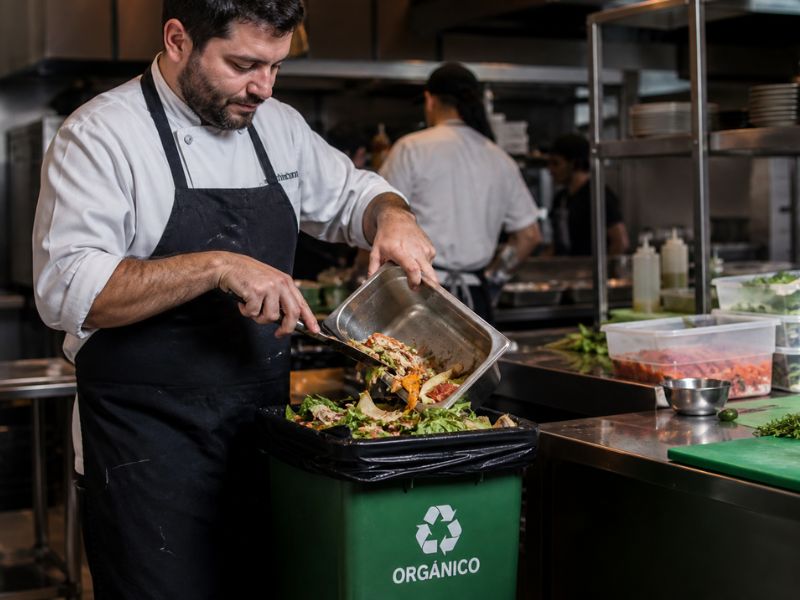
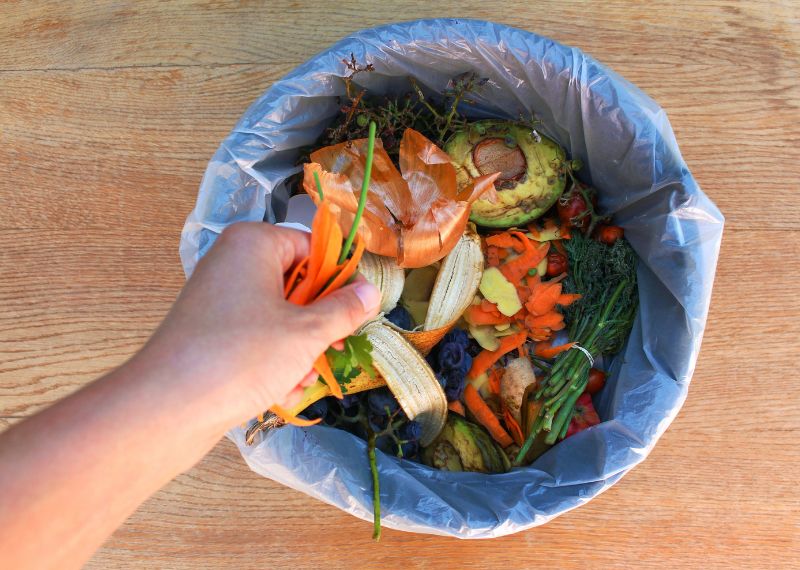
Food waste in professional kitchens refers to the loss of food that spoils due to poor quality or inadequate storage. It is undoubtedly one of the most pressing issues in the industry, resulting in significant financial losses and a waste of valuable natural resources.
Food can deteriorate in the kitchen or throughout the supply chain—whether during transportation, from leftover ingredients in preparation, or due to improper storage.
To properly control costs, it’s essential to identify the food waste causes in the food and beverage industry, including:
- Poor quality raw materials: Waste can begin at the very beginning of the supply chain with poor-quality products or already damaged products that can’t withstand transportation.
- Storage errors: Simple human mistakes in storage can result in food waste.
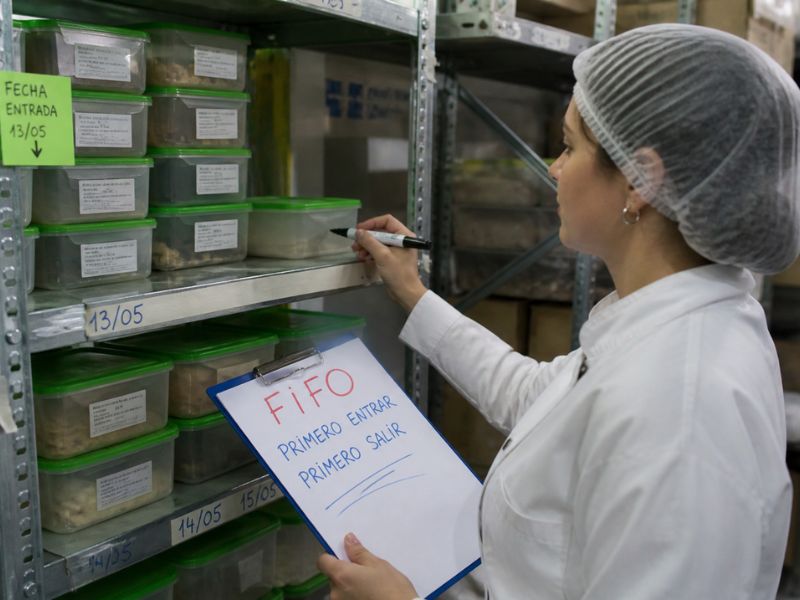
- Rotation issues: Foods should be correctly labeled, using a system that prevents any product from expiring.
- Improper refrigeration: Maintaining the cold chain and storing items at the correct temperature is vital.
- Overstocking: Buying excess products that don’t match the actual needs can lead to food spoilage.
- Ingredient underutilization: Maximizing the use of ingredients is key to reducing food waste in professional kitchens.
- Insufficiently trained staff: Untrained staff may not review food quality or implement essential food safety measures.
- Poor facilities: Kitchens or storage areas in poor condition or lacking adequate equipment can lead to important spoilage.
If you’re looking for optimal equipment for your professional kitchen, Araven specializes in the food and beverage industry, offering innovative, safe, and sustainable food preservation solutions. Click to explore our range of items for food preservation.
Types of Food Waste in the Food and Beverage Industry
There are various types of food waste in professional kitchens. Here’s a breakdown:
Handling-related waste
This kind of waste includes damage during the transport, ingredients splits, and stock dropping on the floor. Poor cuts, or crushing, are also actions included in this category.
Cooking-related waste
Waste from poor preparation is a common issue. It can be, for instance, an overcooked pizza that ends up burnt, making it unservable. Such errors in cooking leave no choice but to throw the food away.
Natural waste
This type of waste arises when food expires due to improper stock rotation, making it unsuitable for use in the kitchen.
Making mistakes in fresh food preservation is more common than you might think. Want to reduce food waste in your kitchen? Araven has everything you need. Discover our optimal defrost kits, including solid and perforated boxes with protective lids, as well as perforated food pans and racks designed to separate food from liquids. Learn more now!
How to Minimize Food Waste in Professional Kitchens?
So, how can a hospitality business reduce food waste? Here are some actionable tips for effective control and waste management:
- Identify food waste: The first step is understanding what food waste is occurring and where. Track all waste data to address it effectively and find the best solutions.
- Reduce the menu size: A streamlined, seasonal, or concise menu helps control stock, which leads to a reduction of food waste in your kitchen.
- Practice waste-minimizing cooking: Rooted in traditional cooking methods, this concept is key to reducing food waste. It involves reusing parts of ingredients that would typically be discarded. For example, meat trimmings can be ground to make fillings for cannelloni.
- Control portions: If you notice that clients frequently leave food on their plates, which means you have to throw a lot of food away, adjusting portion sizes can help.
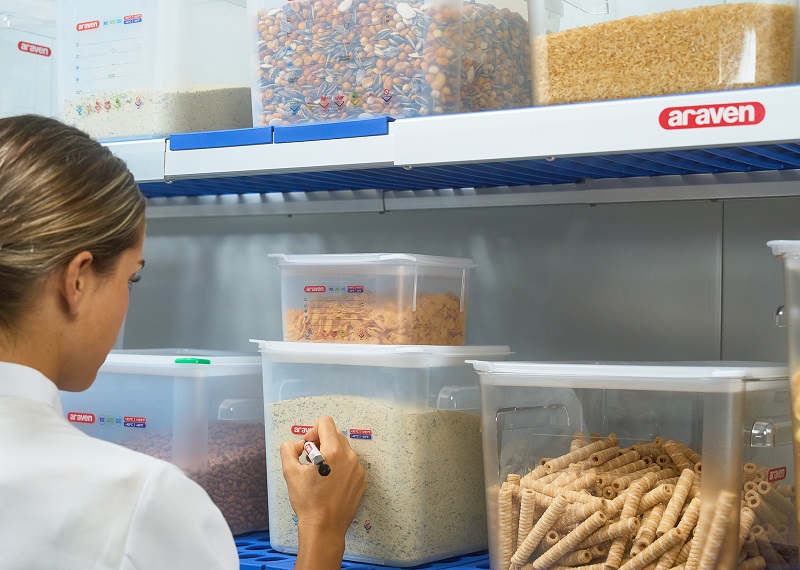
- Improve storage: a proper stock control allows a good rotation. This way, the business purchases only what’s needed, reducing waste. Of course, this requires having enough storage space to accommodate your products.
- Use professional kitchen equipment: You can, for example, use food containers. Araven offers airtight containers that extend food shelf life by up to 25%, reducing waste and preventing deterioration while preserving all organoleptic properties. Discover this product, validated by a study from the Research Group in Plant-Based Foods at the University of Zaragoza.
If you are looking for solutions to reduce food waste in the kitchen, don’t hesitate to contact us. At Araven, we are always supporting hospitality professionals with innovative, sustainable solutions.