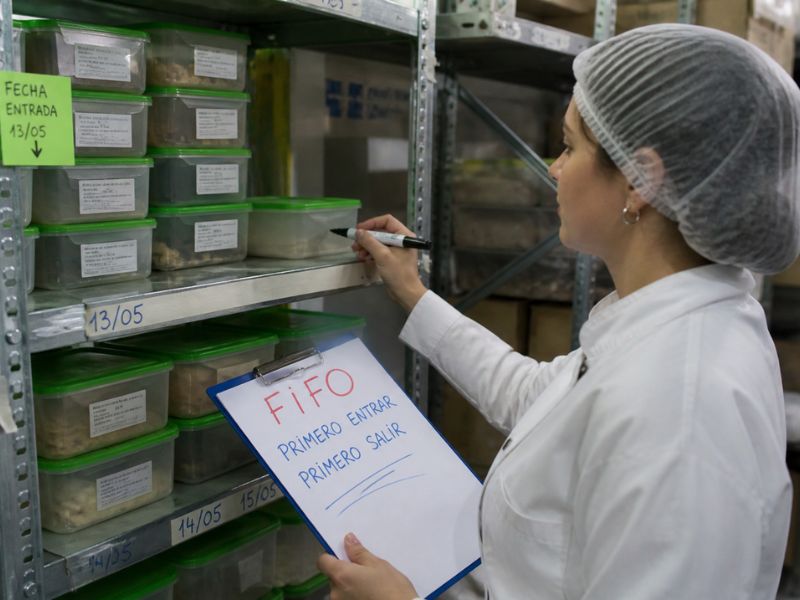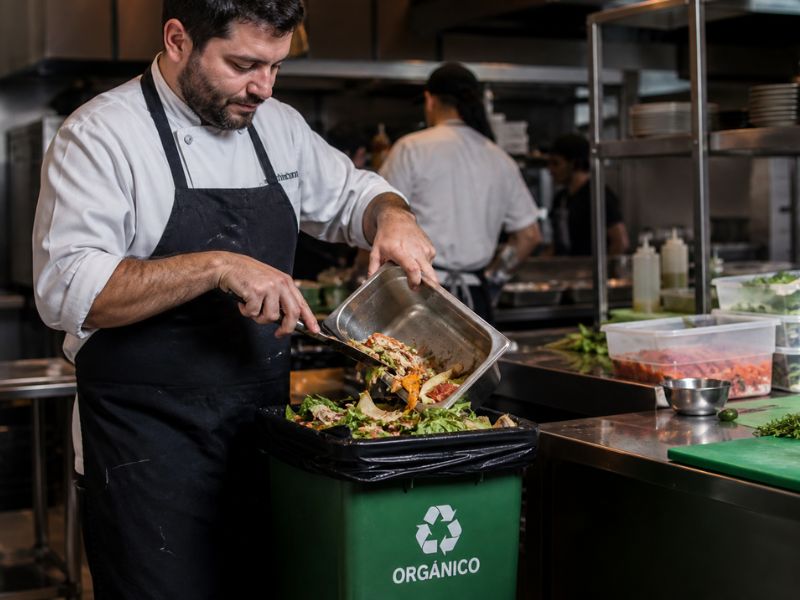
According to the WHO, it is estimated that every minute 44 Europeans fall ill due to foodborne illness. In other words, more than 23 million people get sick each year, resulting in nearly 5,000 deaths annually. This is why food safety is a top priority within the food industry—especially considering that food regulations are becoming increasingly strict.
For this reason, it is only natural that companies rely on protocols such as HACCP self-control systems.
But what is HACCP in food? In this post, we answer all your questions.
What is the HACCP system
The HACCP system in the food industry stands for Hazard Analysis and Critical Control Points (HACCP), a universal protocol that ensures food safety control while also helping reduce costs in food production and processing.
In addition, the HACCP system guarantees compliance with international regulations and quality standards. It is applied throughout the entire food chain, from production to final consumption.
HACCP acts as a preventive system against potential risks during food processing, establishing guidelines to control critical points.
In fact, it is not optional. It is mandatory for businesses related to food. This is established in European Regulation 852/2004, Article 5 on HACCP systems:
Food business operators shall put in place, implement and maintain a permanent procedure or procedures based on HACCP principles.
If you run a hospitality business and want to go a step further in food safety, Araven can help. We create operational, sustainable solutions with full hygienic guarantees. Our products meet the highest food safety standards (HACCP) and are developed in collaboration with expert consultants. Discover our specialized food handling products or explore our food preservation solutions.
professional kitchen
Discover Araven products to preserve, transport and organise better in professional kitchens.
How to apply the HACCP system in the food industry
The HACCP system is essential for all companies working with food products, from the beginning to the end of the food chain. If you’re wondering how to apply HACCP in the food industry, here are the main stages (which may vary depending on the business type):
- Hazard analysis: Identify potential hazards associated with food at each stage of the chain.
- Identification of critical control points (CCPs): Determine the stages where risks can be controlled or reduced.
- Establish critical limits: Define acceptable values to control identified hazards. These must be documented.
- Monitoring CCPs: Continuously track critical control points to ensure compliance.
- Corrective actions: Implement solutions when deviations occur.
- Verification procedures: Confirm whether corrective actions have been effective.
- Documentation: Keep written records of all actions and detected issues throughout implementation.
The HACCP system and the hospitality industry
Within the food industry, the restaurant and hospitality sector relies heavily on HACCP systems. These systems help create plans and documentation outlining best practices, resources, and activities to ensure food safety.
All this information must be compiled in a documentation system that clearly includes records, dates, and responsible signatures.
Documentation can generally be classified into three main groups:
- Descriptive documentation
- Records of evaluation, implementation, and effectiveness
- Record-keeping and document management system (including HACCP principles, hygiene practices, and project responsibility assignments)
How to apply HACCP in the hospitality sector?
While we’ve discussed HACCP in general terms, let’s take a closer look at its application in hospitality. This may vary depending on the establishment, but it is essential to analyze each business to ensure compliance with hygiene practices, environmental conditions, and operational processes in food handling.
This includes prerequisites such as:
- General hygiene inspections
- Supplier evaluation
- Assessment of food safety programs
At this stage, critical control points are often identified and may evolve over time. Their identification is essential to monitor and apply corrective measures effectively.
To properly implement HACCP in hospitality, the following steps are required:
- Staff training in HACCP
- Product description and intended use identification
- Creation of a flow diagram (verified on-site) identifying hazards at each stage
- Hazard analysis and identification of preventive measures
- Determination of critical control points considering raw materials, equipment, personnel, packaging, storage, and distribution
- Establishment of critical limits for each CCP
- Continuous monitoring system and record-keeping
- Development of corrective action procedures
- Creation of a record-keeping system
- Implementation of verification procedures
- Establishment of a review schedule
Want to rely on professionals? At Araven, we can help. All our products are designed for easy cleaning and dishwasher use. They also include features such as ColorClip and integrated traceability labels to maintain high food safety standards and support compliance with HACCP regulations. Learn more today!
The importance of the HACCP system in food
The benefits of HACCP in food are numerous. This international standard is essential in all food-related sectors. Here are some key advantages:
- Consumer protection: Minimizes risks through prevention rather than reaction, identifying hazards early in the production process.
- Fast response: Controlled processes allow quick problem resolution.
- Improved food safety: Ensures higher hygiene and quality standards.
- Reduced food waste: Promotes sustainability by minimizing losses.
- Cost reduction: Prevents risks and waste, optimizing operational costs.
- Regulatory compliance: Recognized and recommended by international organizations such as the WHO.