A restaurant kitchen is a workplace and, as such, it requires a purpose-built design to ensure work is carried out efficiently and effectively. In this regard, it’s worth highlighting what are known as workstations in a professional kitchen. Not sure what they are? We’ll explain it right now.
What are workstations?
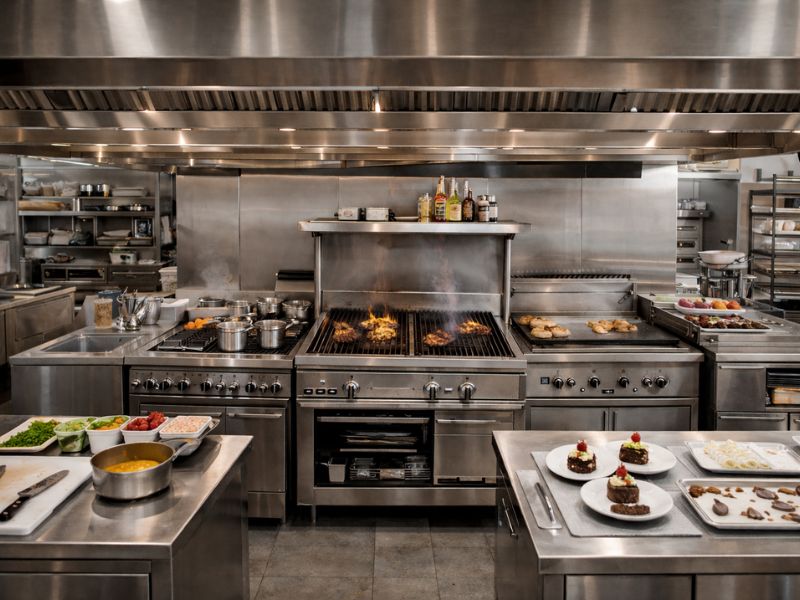
Workstations in a professional kitchen correspond to the different areas of the kitchen, which are divided according to the processes that will be carried out. Therefore, each workstation—also called a station—has its own equipment (both physical and human) to perform these tasks more effectively, with greater quality and speed. This significantly improves the day-to-day operations of the hospitality business.
In this way, we can distinguish everything from a station dedicated to sauce preparation to another exclusively for desserts.
However, we must not forget that coordination between stations is essential and, for that, having the best professional equipment is indispensable. At Araven, we can help you. We design products that meet the needs of the most demanding work environments, simplifying day-to-day life in the kitchen with tools that are easy and comfortable to use, versatile, and fully compliant with food hygiene and safety standards. For example, be sure to check out our FIFO Fast dispensers or our GN Basic polypropylene containers, among other products.
Most important kitchen stations
Which kitchen stations are the most important? Below, we take a closer look at some of them:
- Grill. Mastering the grill is essential for preparing all kinds of meats, fish, and even vegetables. Cooks working this station must know cooking temperatures perfectly to achieve the exact doneness of each ingredient.
- Desserts. The Pâtissier station not only prepares desserts, but also makes cakes and pastries, as well as the restaurant’s own breads. Needless to say, these professionals use cutting-edge equipment for their creations, without forgetting classic recipes.
- Oven. Like the grill, the oven is also a key work area in a kitchen. Baking, roasting, or gratinating—remember there are different types, such as convection ovens.
- Fryer. Is frying also a specialty in your restaurant? Then you should dedicate a workstation to it. From French fries to fried fish, and tempura… this station is ideal for those who are just starting out.
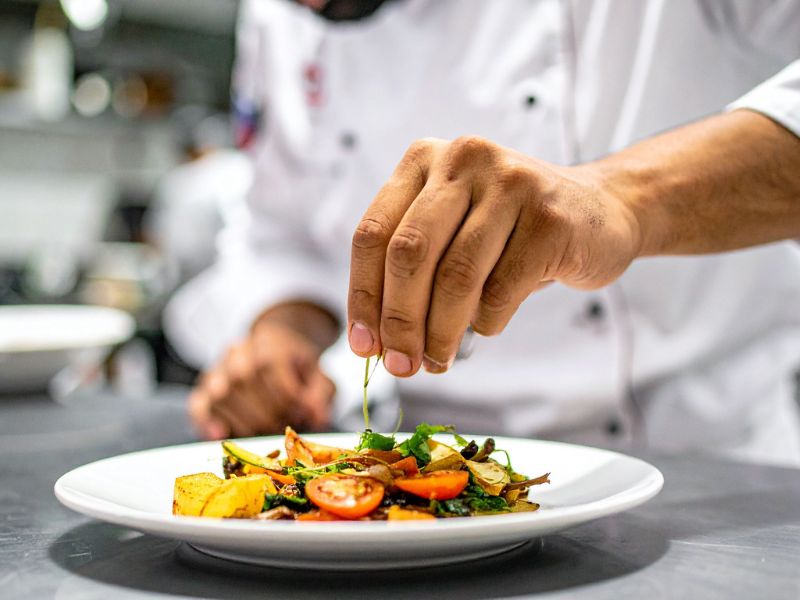
- Salads. The Garde Manger is the workstation dedicated to preparing cold dishes such as salads or starters. It may seem simpler than others; however, remember these are the first dishes diners taste and, therefore, their importance. They must make a great impression!
- Sauces. Or the Saucier station, responsible for preparing sauces, soups, and stews. Without a doubt, one of the most important kitchen workstations. Sauces are key to enhancing all kinds of dishes—and they also require mastery of many culinary techniques!
- Fish. Yes, we’ve mentioned the grill station, but there is also a station in a restaurant dedicated exclusively to fish and seafood. Known as Poissonnerie, it not only cooks, but also selects the raw ingredients and fillets, scales, or debones them, among other tasks.
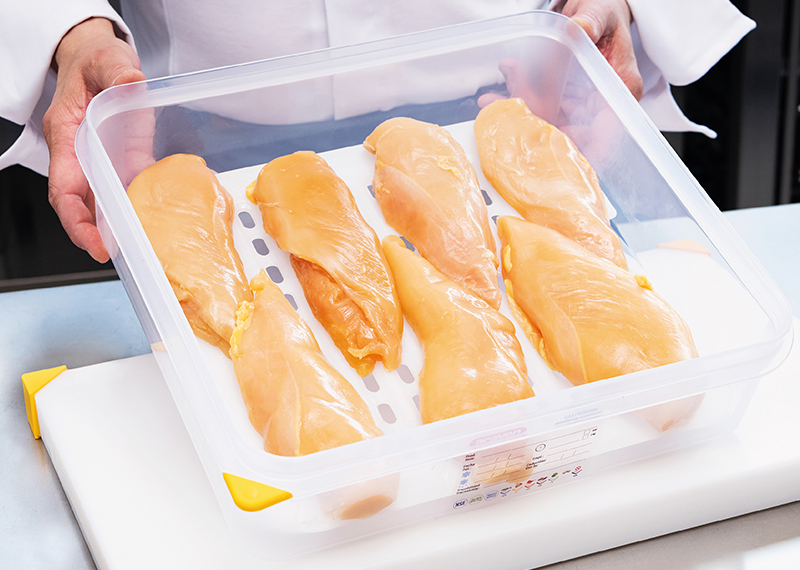
- Meat. And the same applies to meat. The Viandeur area is responsible for butchering, marinating, and preparing red meats, game, and poultry. And if you’re interested in this topic, for more information, be sure to read these tips for handling meat and fish.
What’s important to consider at kitchen stations
How can you make workstations in a professional kitchen run smoothly? By taking the following aspects into account:
- Cleanliness and order. Order and cleanliness are a must in any professional kitchen. Not only to comply with regulations and guarantee food safety, but because it’s essential to streamline work. In other words: creating a harmonious work environment that enables fast, efficient service.
- Proactivity. In other words, preparing ingredients in advance (cutting, marinating…), keeping areas clean and organized, ensuring all raw materials are available, etc. This proactive mindset is extremely beneficial for reducing unnecessary time and improving efficiency. In short: committing to mise en place.
- Storage. If we’re talking about order and organization, proper storage of raw materials is essential. In this regard, the Gastronorm system helps standardize container measurements used in professional kitchens. Discover Araven Gastronorm airtight containers now!
- Space. Beyond order, it’s crucial that the different workstations in a professional kitchen don’t get in each other’s way (and neither do their team members!). We have to imagine kitchen work like the gears of a clock: each part in its place and running at the same time. That’s why there must be enough space for staff to move around easily, avoiding discomfort and even workplace accidents.
- Layout. Did you know there are different ways to organize spaces within an industrial kitchen? And, of course, within each space you’ll find each station within the kitchen service. For example, a kitchen can be U-shaped, island-style, or laid out in a straight line.
Do you want a 100% efficient professional kitchen? Trust us! Araven is your supplier of hospitality solutions.